
AI Ethics in the Hundred Acre Wood | Part 1 – A Moral Map of the Forest

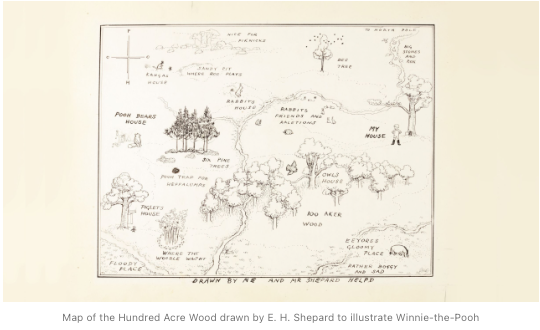
Somewhere deep in the Hundred Acre Wood, a meeting is about to begin.
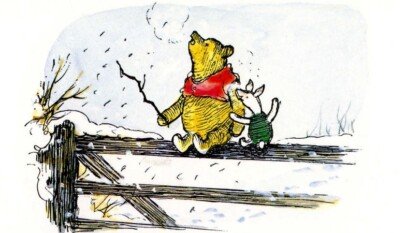
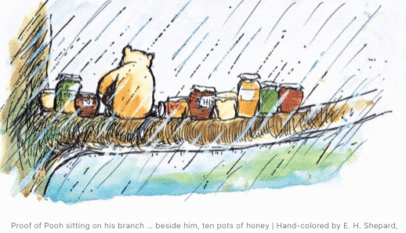
Owl arrives first, flapping down with a stack of policy papers that no one remembers asking for. Rabbit follows quickly, outlining procedures on the back of a leaf. Piglet follows, shivering with worry that the new system might “learn by itself.” Tigger bursts through the door mid-sentence, promising that technology will truly make life better this time. And Pooh… well, Pooh has brought honey. He always brings honey. It just seems like the right thing to do.
If you have ever sat through a business workshop on user experience, design, or AI ethics, then you might recognize the scene. In every meeting, there’s an Owl who explains everything. There’s a Rabbit who wants order. A Piglet who lists risks faster than anyone can take notes. There’s also a Tigger who keeps saying, “imagine the possibilities.” And, if you’re lucky, there’s a Pooh, someone who instinctively cares.
For decades, the Winnie-the-Pooh characters have been used in a world of analogies. They are especially well-known in psychology. But in this, however, I will try to describe them not just as personalities, but as different moral temperaments. Each character represents a different way of thinking about responsibility and guards a fragment of the truth.
Rabbit believes that good intentions are worthless without structure. Tigger believes that courage is a virtue in itself. Piglet reminds everyone that harm has a long memory. Owl insists that rules matter, even when they slow us down. Pooh simply wants a decent outcome, even if he can’t explain why.
I believe that if you…







Leading with a security-first mentality
As technology rapidly develops, the number of security and privacy concerns will only continue …